I’ve worked with people who’ve never used a computer or a smartphone, and yet they’re expected to navigate our increasingly complex digital lives with ease. It’s a daunting task, and one that’s becoming increasingly impossible. Take, for example, the woman I met who’s never used the internet before, but is desperate to find job listings and apply for positions online. She’s not alone, and it’s time to acknowledge the problem.
The Numbers Are Alarming
According to the UK’s Office for National Statistics, in 2020, around 12% of households in England and Wales had no internet access at all. That’s roughly 3.5 million people, including families, individuals, and communities who are being left behind by the rapid pace of technological change. In some areas, like the North East, the figure is even more stark, with around 20% of households lacking internet access. These numbers paint a picture of a society that’s rapidly leaving others behind.
The Consequences of Exclusion
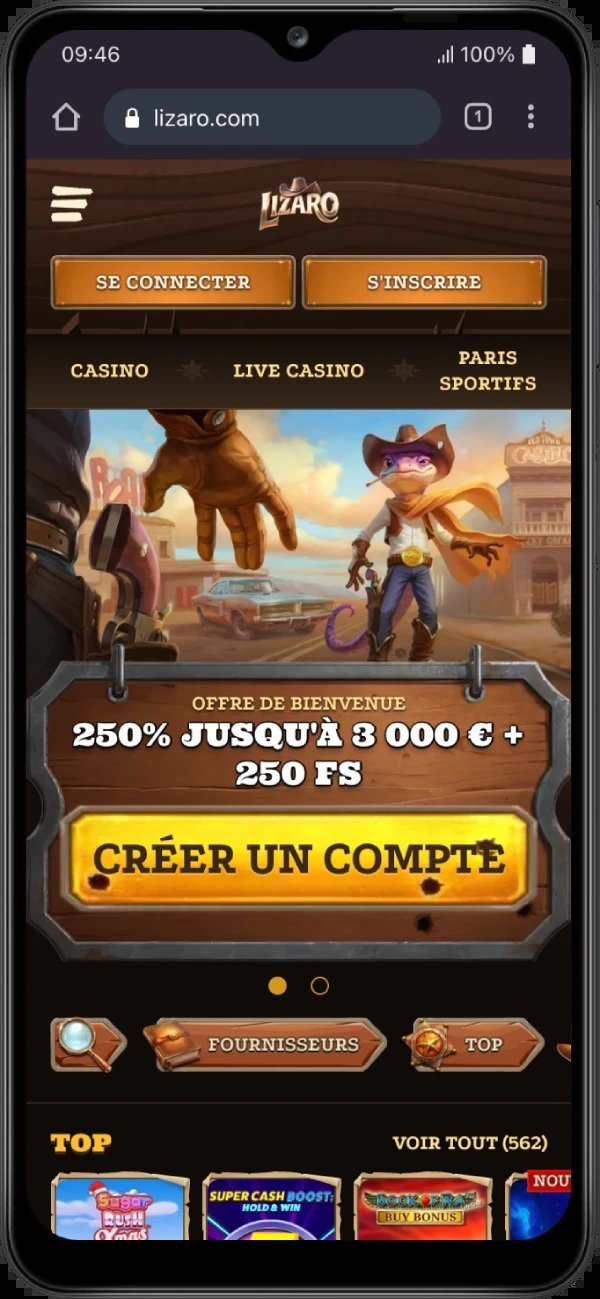
The impact of this digital divide is far-reaching and devastating. Without access to the internet, people are missing out on vital services, like healthcare information and job opportunities. They’re also being priced out of the economy, which is increasingly digital. In a world where you need to be able to shop online, manage your finances, and communicate with loved ones remotely, being offline is not just a minor inconvenience – it’s a major obstacle to success. As a result, people are facing increased isolation, reduced economic prospects, and decreased access to essential services. This is particularly evident in the world of online gaming, where players like those at Lizaro are able to participate and engage with others from all over the world.
The Relationship with Online Gaming and Entertainment
You might think the digital divide is a problem that affects only the elderly or those living in rural areas, but the reality is that it affects people from all walks of life. Even in the realm of online gaming and entertainment, the divide is stark. Take the example of esports, a rapidly growing industry that requires lightning-fast internet speeds and the latest hardware. For those who can’t afford it, or don’t have access to it, watching professional gamers compete, never mind participating themselves, is simply out of the question. As a leading online casino and gaming platform, highlights, the importance of digital literacy in this context can’t be overstated – players need to be able to navigate complex online environments, set up accounts, and make transactions securely in order to participate fully.
Breaking Down the Divide
So how do we address this problem? It’s not a simple task, but it’s one that requires a multi-faceted approach. Governments, technology companies, and community organizations all have a role to play in bridging the digital divide. This might involve providing low-cost internet access in underserved areas, offering digital literacy training, or creating more accessible online services. The goal is clear: to create a more inclusive digital landscape, where everyone has the opportunity to participate and thrive. It’s a challenge that requires action, now – and one that will only become more pressing if we don’t address it head-on.